Unlocking the Power of Your Body: How Your BMI Can Predict Your Risk of Chronic Diseases and Unlock a Healthier Future
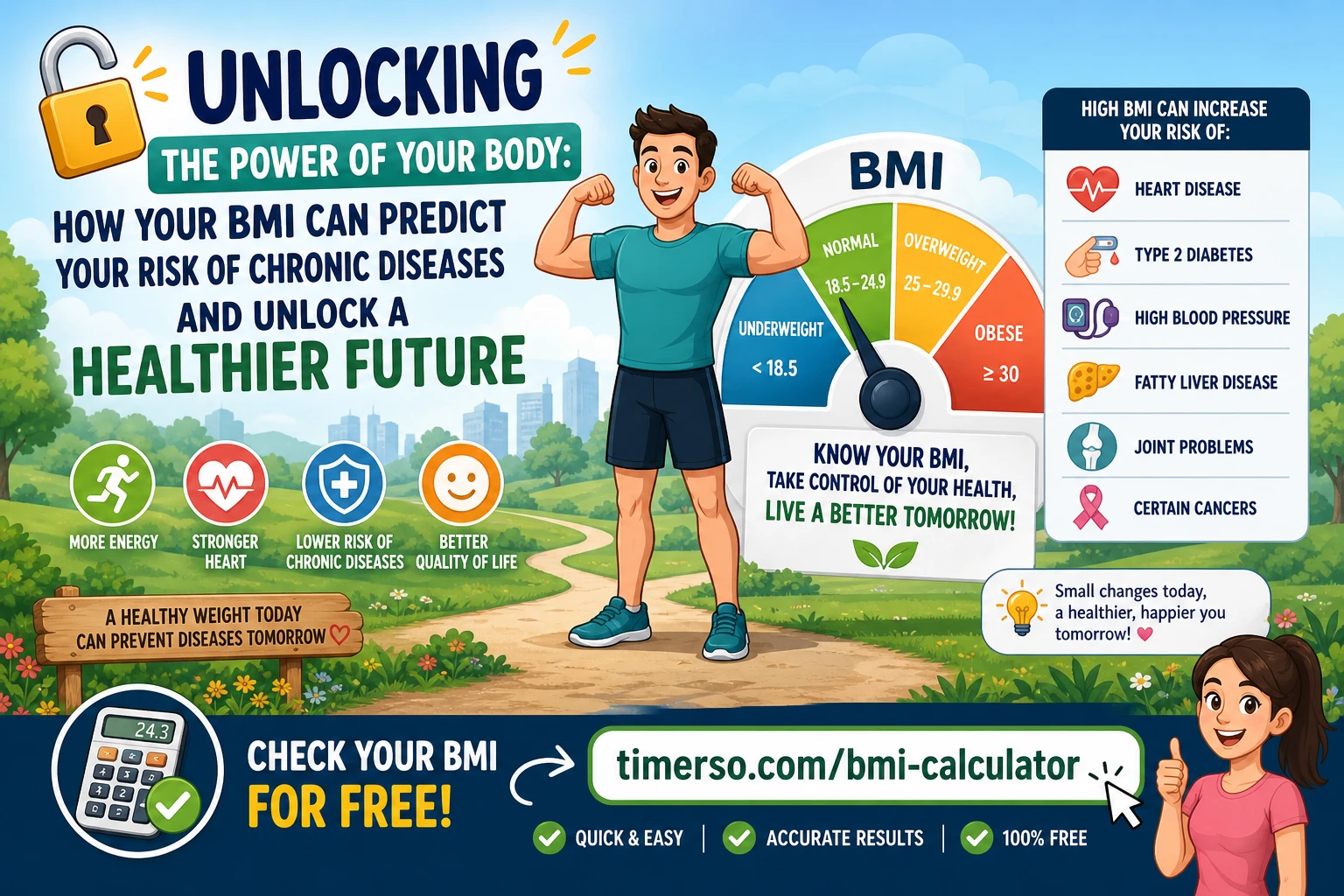 Visit timerso.com/bmi-calculator for a free BMI calculation.
Unlocking the Power of Your Body: How Your BMI Can Predict Your Risk of Chronic Diseases and Unlock a Healthier Future
As a health and wellness expert, I've seen firsthand the significant impact that a person's body mass index (BMI) can have on their overall health and wellbeing. BMI is a widely used measure of body fat based on height and weight, and it can be a powerful tool for identifying individuals who are at risk of developing chronic diseases. In this article, we'll delve into the world of BMI, exploring how it can predict your risk of chronic diseases and providing actionable advice for unlocking a healthier future.
The Importance of BMI
BMI is a simple and widely used measure of body fat that is calculated by dividing a person's weight in kilograms by their height in meters squared (kg/m2). According to the World Health Organization (WHO), BMI is an important tool for identifying individuals who are at risk of developing chronic diseases such as obesity, diabetes, and cardiovascular disease. This is because BMI is strongly linked to body fat percentage, which is a key risk factor for these diseases.
The WHO defines the following BMI categories:
- Underweight: BMI < 18.5
- Normal weight: BMI = 18.5-24.9
- Overweight: BMI = 25-29.9
- Obese: BMI ≥ 30
The Link Between BMI and Chronic Diseases
Research has consistently shown that individuals with a higher BMI are at increased risk of developing chronic diseases. For example, a study published in the Journal of the American Medical Association found that individuals with a BMI ≥ 30 had a significantly increased risk of developing type 2 diabetes, hypertension, and cardiovascular disease compared to those with a normal weight BMI.
Similarly, a study published in the New England Journal of Medicine found that individuals with a BMI ≥ 25 had a significantly increased risk of developing chronic kidney disease, cardiovascular disease, and all-cause mortality compared to those with a normal weight BMI.
How BMI Can Predict Your Risk of Chronic Diseases
So, how can BMI predict your risk of chronic diseases? The answer lies in the strong link between BMI and body fat percentage. As mentioned earlier, BMI is a measure of body fat based on height and weight. When an individual's BMI is above a certain threshold, it can indicate that they have a higher percentage of body fat, which is a key risk factor for chronic diseases.
For example, if an individual has a BMI ≥ 30, it can indicate that they have a high percentage of body fat, which increases their risk of developing chronic diseases such as obesity, diabetes, and cardiovascular disease.
Actionable Advice for Unlocking a Healthier Future
So, what can you do to unlock a healthier future if you have a higher BMI? Here are some actionable tips that can help:
- Monitor Your BMI: The first step to unlocking a healthier future is to monitor your BMI. Use a BMI calculator, such as the one available on https://timerso.com/bmi-calculator, to calculate your BMI and track any changes over time.
- Focus on Body Fat Percentage: While BMI is a useful tool, it's not a perfect measure of body fat. To get a more accurate picture of your body fat percentage, consider using a body fat caliper or aDEXA scan.
- Eat a Balanced Diet: A healthy diet is essential for maintaining a healthy weight and reducing your risk of chronic diseases. Focus on consuming whole, unprocessed foods such as fruits, vegetables, whole grains, lean proteins, and healthy fats.
- Stay Hydrated: Adequate hydration is essential for maintaining proper bodily functions, including digestion and metabolism. Aim to drink at least eight glasses of water per day.
- Incorporate Physical Activity: Regular physical activity is essential for maintaining a healthy weight and reducing your risk of chronic diseases. Aim to incorporate at least 150 minutes of moderate-intensity exercise per week, or 75 minutes of vigorous-intensity exercise per week.
- Get Enough Sleep: Adequate sleep is essential for maintaining proper bodily functions, including metabolism and weight regulation. Aim to get at least seven hours of sleep per night.
Frequently Asked Questions (FAQ)
Q: What is BMI, and how is it calculated? A: BMI is a measure of body fat based on height and weight. It is calculated by dividing a person's weight in kilograms by their height in meters squared (kg/m2).
Q: What are the different BMI categories? A: The WHO defines the following BMI categories: underweight (BMI < 18.5), normal weight (BMI = 18.5-24.9), overweight (BMI = 25-29.9), and obese (BMI ≥ 30).
Q: How can I use BMI to predict my risk of chronic diseases? A: BMI can predict your risk of chronic diseases by indicating whether you have a higher percentage of body fat, which is a key risk factor for chronic diseases.
Q: What are some actionable tips for unlocking a healthier future if I have a higher BMI? A: Some actionable tips for unlocking a healthier future if you have a higher BMI include monitoring your BMI, focusing on body fat percentage, eating a balanced diet, staying hydrated, incorporating physical activity, and getting enough sleep.
Conclusion
In conclusion, BMI is a powerful tool for identifying individuals who are at risk of developing chronic diseases. By understanding the link between BMI and chronic diseases, and by taking actionable steps to improve your health and wellbeing, you can unlock a healthier future. Remember to monitor your BMI, focus on body fat percentage, eat a balanced diet, stay hydrated, incorporate physical activity, and get enough sleep to reduce your risk of chronic diseases and maintain a healthy weight.
Disclaimer: This article is for informational purposes only and does not constitute medical advice. For professional health advice, always consult a qualified medical practitioner.