How to Calculate Your Biological Age: Are You Older Than You Think?
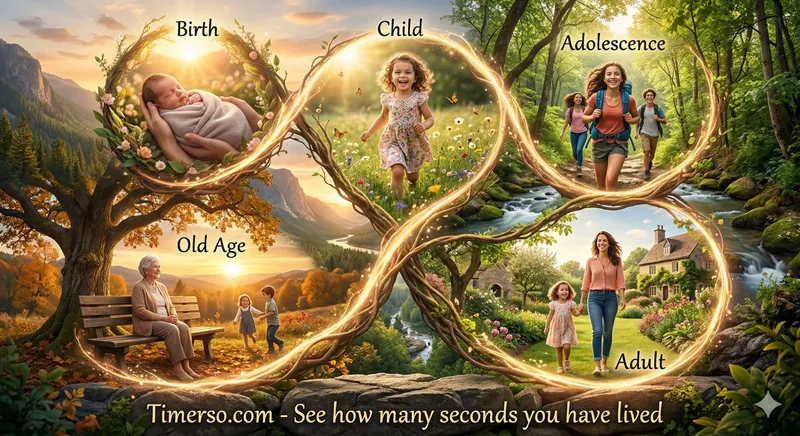
Have you ever met someone who is 50 but looks and acts like they are 35? On the flip side, we all know people in their 30s who seem entirely drained of energy and complain of constant aches and pains.
This dramatic difference comes down to one fundamental concept: the difference between your chronological age and your biological age.
If you are wondering how to calculate your biological age to see where you stand, you are in the right place. In this guide, we will break down what biological age actually means, how the science works, and the steps you can take to measure it.
What is the Difference Between Chronological and Biological Age?
To understand how to calculate your biological age, we first need to separate it from the age on your driver's license.
- Chronological Age: This is simply the amount of time you have been alive. It advances at the exact same speed for everyone—one year, every year.
- Biological Age: This refers to the physical state of your cells and tissues. It represents how your body is actually functioning relative to the statistical average. Depending on your genetics and lifestyle, your biological clock can tick much faster or slower than your chronological one.
How to Calculate Your Biological Age: 3 Proven Methods
Science has advanced rapidly in the field of longevity. Today, there are a few primary ways to determine your cellular age, ranging from free quizzes to advanced lab testing.
1. Epigenetic Clocks (DNA Methylation)
This is currently the gold standard in the scientific community. As you age, chemical tags (methyl groups) attach to your DNA and change how your genes are expressed. By taking a blood or saliva sample, companies can map your DNA methylation and compare it to massive databases to give you a highly accurate biological age.
2. Blood Biomarker Testing
Rather than looking at DNA, this method looks at what is floating around in your blood right now. By analyzing markers like your fasting glucose, cholesterol, inflammation levels (hs-CRP), and liver function, algorithms (like the famous PhenoAge calculator) can estimate the biological age of your internal organs.
3. Lifestyle and Fitness Assessments
If you don't want to draw blood or spend money on DNA tests, you can get a rough estimate of your biological age through comprehensive lifestyle calculators. These usually evaluate: * Your resting heart rate and blood pressure. * Your cardiovascular fitness (e.g., VO2 max). * Your sleep quality, diet, and stress levels.

The First Step: Know Your Exact Baseline
Before you can figure out how much "younger" or "older" your cells are, you need absolute precision regarding your actual age. You'd be surprised how many people miscalculate the exact number of months and days they have been alive!
Before diving into complex biological tests, get your exact chronological baseline. You can use our completely free tool at Timerso.com to instantly calculate your precise age down to the day, hour, and minute.
Knowing your exact chronological age is the benchmark you will use to measure your biological success.
Can You Reverse Your Biological Age?
The best news about learning how to calculate your biological age is that, unlike chronological age, it is reversible.
If your test results come back showing you are biologically older than you are chronologically, you have the power to change it. Studies show that making targeted lifestyle changes can literally wind back your epigenetic clock:
- Prioritize Sleep: Aim for 7-9 hours of high-quality sleep to allow for cellular repair.
- Move Daily: A mix of cardiovascular exercise and resistance training is one of the most potent anti-aging medicines available.
- Eat for Longevity: Focus on whole foods, lean proteins, and plenty of antioxidants while minimizing refined sugars and highly processed foods.
- Manage Stress: Chronic stress physically ages your cells. Meditation, breathing exercises, and proper work-life balance are crucial.
The Bottom Line
Understanding how to calculate your biological age gives you a powerful window into your future health. Whether you choose an advanced DNA test or a simple fitness assessment, tracking this metric can be the ultimate motivation to live a healthier, more vibrant life.
Don't forget to establish your baseline today at Timerso.com!