How Much Weight Do You Need to Lose to Lower Your BMI Safely
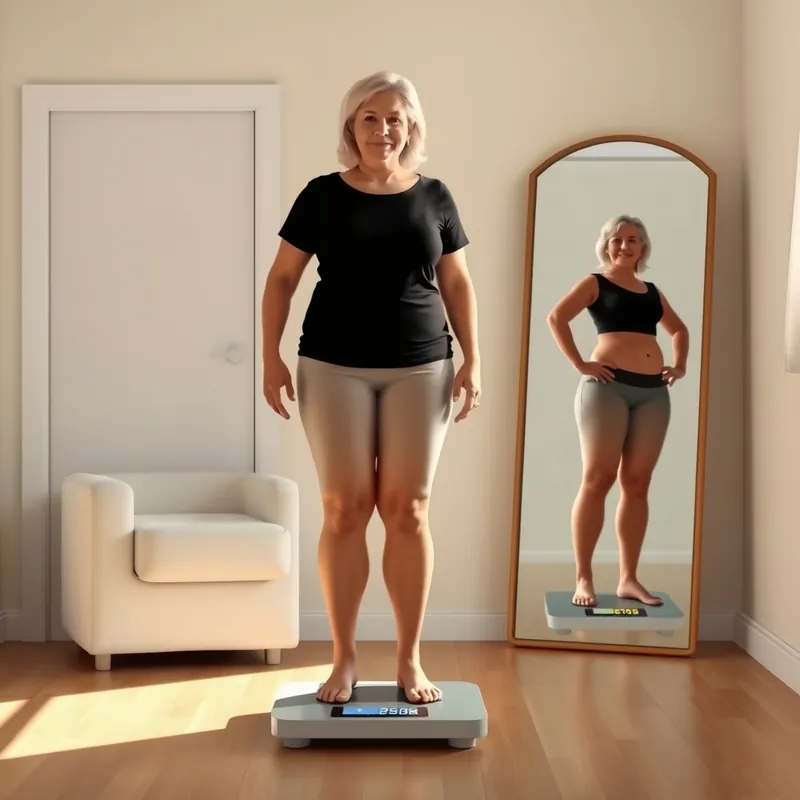 Visit timerso.com/bmi-calculator for a free BMI calculation.
As a certified health and wellness expert, I'm often asked about the ideal amount of weight to lose in order to lower one's Body Mass Index (BMI) safely. The World Health Organization (WHO) defines BMI as "a simple index of weight-for-height that is commonly used to classify underweight, normal weight, overweight, and obesity in adults." In this article, I'll provide an in-depth exploration of the relationship between weight loss and BMI, as well as actionable advice for those looking to achieve a healthier weight.
Introduction
Maintaining a healthy weight is crucial for overall well-being, and BMI is a widely used metric to assess weight status. The Centers for Disease Control and Prevention (CDC) reports that more than two-thirds of adults in the United States have a BMI that falls into the overweight or obese category. If you're concerned about your weight, it's essential to understand the relationship between weight loss and BMI.
Deep Dive / Core Concepts
What is BMI?
BMI is calculated by dividing an individual's weight in kilograms by their height in meters squared (kg/m²). The WHO defines the following BMI categories:
- Underweight: BMI < 18.5
- Normal weight: BMI = 18.5-24.9
- Overweight: BMI = 25-29.9
- Obese: BMI ≥ 30
How is BMI Related to Health Risks?
Research has consistently shown that being overweight or obese increases the risk of various health problems, including:
- Type 2 diabetes
- Cardiovascular disease
- Certain types of cancer
- Osteoarthritis
The National Institutes of Health (NIH) notes that even a modest weight loss of 5-10% of initial body weight can have significant health benefits, including improved blood pressure, cholesterol levels, and insulin sensitivity.
How Much Weight Do You Need to Lose to Lower Your BMI?
The amount of weight you need to lose to lower your BMI safely depends on several factors, including your current weight, height, and body composition. Aiming for a weight loss of 0.5-1 kg (1.1-2.2 lbs) per week is a commonly recommended goal. This may seem like a slow pace, but it's essential to prioritize sustainable, long-term weight loss over rapid, short-term fixes.
To give you a better idea, here's an example:
- If your current BMI is 30 (obese), and you want to achieve a BMI of 25 (normal weight), you may need to lose around 10-15 kg (22-33 lbs), assuming a height of 1.7 meters (5.6 feet).
- If your current BMI is 28 (overweight), and you want to achieve a BMI of 24 (normal weight), you may need to lose around 5-10 kg (11-22 lbs), assuming a height of 1.7 meters (5.6 feet).
Keep in mind that these are rough estimates and may vary depending on individual factors, such as muscle mass and body composition.
Calculating Your Ideal Weight
If you're interested in determining your ideal weight, I recommend using a reliable online tool, such as the BMI calculator. This will give you a more accurate estimate of your ideal weight range based on your height and current weight.
Actionable Advice
- Consult with a Healthcare Professional: Before starting any weight loss program, it's essential to consult with a healthcare professional, especially if you have any underlying health conditions.
- Set Realistic Goals: Aim for a weight loss of 0.5-1 kg (1.1-2.2 lbs) per week, and focus on sustainable, long-term lifestyle changes.
- Eat a Balanced Diet: Focus on whole, nutrient-dense foods, including fruits, vegetables, whole grains, lean proteins, and healthy fats.
- Stay Hydrated: Drink plenty of water throughout the day to help control hunger and boost metabolism.
- Incorporate Physical Activity: Aim for at least 150 minutes of moderate-intensity exercise or 75 minutes of vigorous-intensity exercise per week.
- Monitor Progress: Regularly track your weight, measurements, and progress photos to monitor your progress.
Frequently Asked Questions (FAQ)
Q: How quickly can I expect to see results?
A: Weight loss takes time, and it's essential to focus on sustainable, long-term changes. Aim for a weight loss of 0.5-1 kg (1.1-2.2 lbs) per week, and be patient.
Q: Will I lose muscle mass if I lose weight too quickly?
A: Yes, rapid weight loss can lead to muscle loss. Focus on a slow and steady weight loss approach, and incorporate resistance training to maintain muscle mass.
Q: Can I use BMI as a sole measure of health?
A: No, BMI has its limitations. For example, it doesn't account for muscle mass or body composition. Use BMI as one tool among many to assess your overall health.
Q: What if I'm underweight or have a low BMI?
A: If you're underweight or have a low BMI, focus on gaining weight in a healthy way, such as by increasing your caloric intake or incorporating strength training.
Conclusion
Losing weight to lower your BMI safely requires patience, dedication, and a focus on sustainable lifestyle changes. By understanding the relationship between weight loss and BMI, setting realistic goals, and incorporating healthy habits, you can achieve a healthier weight and reduce your risk of chronic diseases. Remember to consult with a healthcare professional before starting any weight loss program, and don't hesitate to reach out if you have any questions or concerns.
In conclusion, a healthy weight loss journey is not just about the number on the scale; it's about adopting a balanced lifestyle that promotes overall well-being. By prioritizing your health and well-being, you'll be more likely to achieve a sustainable weight loss and enjoy the numerous benefits that come with it.
Disclaimer: This article is for informational purposes only and does not constitute medical advice. For professional health advice, always consult a qualified medical practitioner.