Unlocking the Secret to Sustainable Weight Loss: How Your BMI Sweet Spot Can Transform Your Body
 Visit timerso.com/bmi-calculator for a free BMI calculation.
As a certified health and wellness expert, I've had the privilege of working with numerous clients who have struggled with sustainable weight loss. Despite their best efforts, they often find themselves stuck in a cycle of yo-yo dieting, with little to no progress towards their goals. In this article, I'll be sharing the secret to unlocking sustainable weight loss, and it starts with understanding your BMI sweet spot.
Introduction
Body Mass Index (BMI) is a widely used measurement that calculates your weight in relation to your height. While it's not a perfect measure, BMI can provide valuable insights into your weight status and potential health risks. In this article, we'll explore the concept of BMI sweet spots, and how understanding your own sweet spot can transform your body and unlock sustainable weight loss.
Deep Dive: What is a BMI Sweet Spot?
A BMI sweet spot refers to the optimal weight range for an individual, taking into account their height, age, and other factors. This range is not a one-size-fits-all solution, but rather a personalized zone that allows for a healthy weight, reduced risk of chronic diseases, and improved overall well-being.
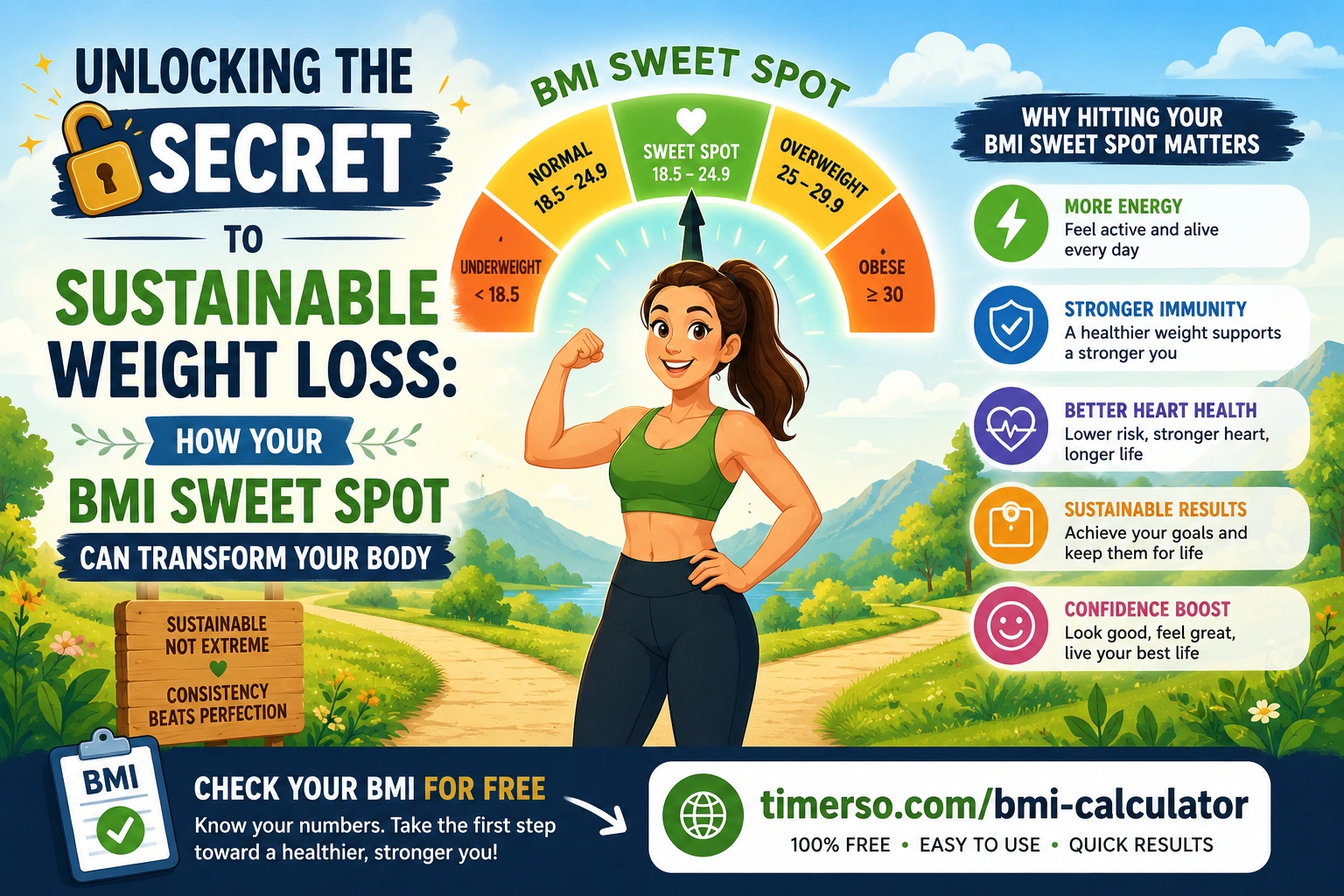
According to the World Health Organization (WHO), BMI is classified into the following categories:
- Underweight: BMI < 18.5
- Normal weight: BMI = 18.5-24.9
- Overweight: BMI = 25-29.9
- Obese: BMI ≥ 30
However, these categories are not as simple as they seem. For example, a person with a BMI of 25 may be at a higher risk of developing chronic diseases than someone with a BMI of 24.9. This is where the concept of BMI sweet spots comes in.
Core Concepts: Understanding Your BMI Sweet Spot
So, how do you determine your BMI sweet spot? It's not as complicated as it sounds. Here are a few key factors to consider:
- Height: Your height plays a significant role in determining your BMI sweet spot. For example, a person who is 5'2" (157 cm) may have a different sweet spot than someone who is 6'2" (188 cm).
- Age: Your age also affects your BMI sweet spot. As you age, your body composition changes, and your ideal weight range may shift accordingly.
- Body composition: Your body composition, including your muscle mass, bone density, and body fat percentage, also influences your BMI sweet spot.
- Activity level: Your activity level, including your exercise habits and daily physical activity, can also impact your BMI sweet spot.
To determine your BMI sweet spot, you can use a BMI calculator, such as the one available at https://timerso.com/bmi-calculator. This calculator takes into account your height, weight, age, and sex to provide a personalized BMI range.
Actionable Advice: How to Achieve Your BMI Sweet Spot
Now that you've determined your BMI sweet spot, it's time to take action. Here are some actionable tips to help you achieve your sweet spot:
- Set realistic goals: Set specific, measurable, achievable, relevant, and time-bound (SMART) goals for yourself. Aim to lose 1-2 pounds per week for a sustainable weight loss.
- Eat a balanced diet: Focus on whole, unprocessed foods, including fruits, vegetables, whole grains, lean proteins, and healthy fats. Avoid sugary drinks, fast food, and processed snacks.
- Incorporate strength training: Building muscle mass through strength training can help boost your metabolism and improve your overall health.
- Monitor your progress: Regularly track your weight, measurements, and progress photos to stay motivated and on track.
- Seek professional guidance: Consult with a healthcare professional or registered dietitian for personalized guidance and support.
Frequently Asked Questions (FAQ)
Q: How do I know if I've reached my BMI sweet spot? A: You'll know you've reached your BMI sweet spot when you've achieved a healthy weight, reduced your risk of chronic diseases, and feel more energetic and confident.
Q: Can I still achieve my BMI sweet spot if I have a medical condition? A: Yes, you can still achieve your BMI sweet spot if you have a medical condition. Consult with your healthcare provider to develop a personalized plan that takes into account your condition.
Q: Will I lose weight too quickly if I'm below my BMI sweet spot? A: No, it's not recommended to try to lose weight too quickly. Aim for a slow and sustainable weight loss of 1-2 pounds per week.
Q: Can I still achieve my BMI sweet spot if I'm older? A: Yes, you can still achieve your BMI sweet spot at any age. However, it's important to consult with your healthcare provider to determine the best approach for your individual needs.
Conclusion
Unlocking your BMI sweet spot is a powerful way to transform your body and achieve sustainable weight loss. By understanding your unique height, age, body composition, and activity level, you can develop a personalized plan that sets you up for success. Remember to set realistic goals, eat a balanced diet, incorporate strength training, monitor your progress, and seek professional guidance. With these actionable tips and a little patience, you'll be well on your way to achieving your BMI sweet spot and enjoying a healthier, happier life.
Disclaimer: This article is for informational purposes only and does not constitute medical advice. For professional health advice, always consult a qualified medical practitioner.