Staying Fit After 40: Why Fitness Matters More with Age
 Visit timerso.com/bmi-calculator for a free BMI calculation.
As we age, our bodies undergo a series of natural changes that can impact our overall health and fitness. After the age of 40, our metabolism slows down, muscle mass decreases, and bone density declines. However, with a well-structured fitness plan and a commitment to healthy living, it's possible to maintain a high level of physical fitness and overall well-being well into our 40s, 50s, and beyond.
In this article, I'll explore the importance of fitness after 40, discuss the key changes that occur in our bodies as we age, and provide actionable advice on how to stay fit and healthy as we mature.
The Importance of Fitness After 40
As we age, our risk of chronic diseases such as heart disease, type 2 diabetes, and certain types of cancer increases. Regular physical activity can help mitigate this risk by improving cardiovascular health, regulating blood sugar levels, and supporting healthy weight management.
According to the World Health Organization (WHO), regular physical activity can reduce the risk of premature death by up to 35% and lower the risk of chronic diseases such as heart disease, stroke, and diabetes by up to 30% [1]. The Centers for Disease Control and Prevention (CDC) also emphasize the importance of physical activity for adults aged 40 and older, recommending at least 150 minutes of moderate-intensity aerobic activity or 75 minutes of vigorous-intensity aerobic activity per week [2].
Deep Dive: Core Concepts
Changes in Body Composition
As we age, our bodies undergo a series of changes that can impact our overall health and fitness. Some of the key changes include:
- Muscle loss: After the age of 40, we lose approximately 1-2% of our muscle mass per year. This can lead to decreased strength, mobility, and functional ability [3].
- Bone density decline: As we age, our bone density naturally declines, increasing our risk of osteoporosis and fractures [4].
- Metabolic slowdown: Our metabolism slows down as we age, making it more challenging to maintain a healthy weight [5].
The Impact of Aging on Physical Function
As we age, our physical function and mobility can decline, making everyday activities more challenging. This can be due to a range of factors, including:
- Decreased flexibility and mobility: As we age, our joints and muscles become less flexible, making it more challenging to move and perform everyday activities [6].
- Balance and coordination: Our balance and coordination can decline with age, increasing our risk of falls and injuries [7].
The Role of Fitness in Healthy Aging
Regular physical activity can play a critical role in maintaining physical function and overall health as we age. Some of the key benefits of fitness after 40 include:
- Improved cardiovascular health: Regular aerobic activity can help improve cardiovascular health, reducing our risk of heart disease and stroke [8].
- Increased strength and mobility: Resistance training can help maintain muscle mass and strength, improving our functional ability and mobility [9].
- Better bone health: Weight-bearing exercise can help maintain bone density, reducing our risk of osteoporosis and fractures [10].
Actionable Advice
So, how can you stay fit and healthy after 40? Here are some actionable tips:
- Start with a health check: Before beginning any new exercise program, consult with your healthcare provider to discuss any health concerns or limitations.
- Find an enjoyable activity: Engage in physical activities that you enjoy, such as walking, swimming, or cycling. This will help you stick to your routine and make exercise a sustainable part of your lifestyle.
- Incorporate strength training: Resistance training can help maintain muscle mass and strength. Aim to include strength training exercises at least two times per week.
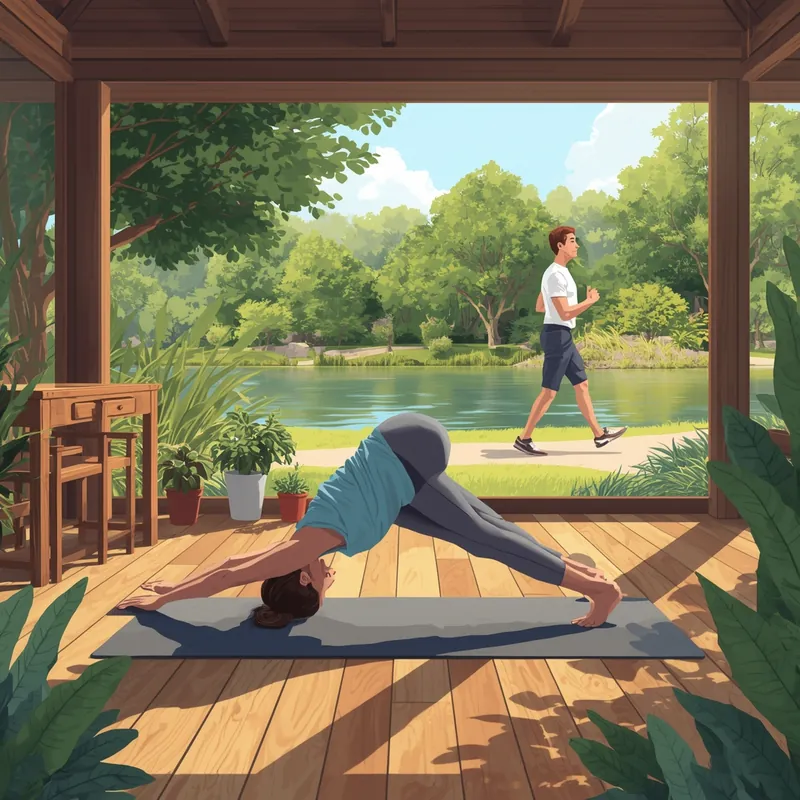
- Don't forget flexibility and mobility: Incorporate activities that improve flexibility and mobility, such as yoga or Pilates, into your routine.
- Monitor your progress: Use a fitness tracker or mobile app to monitor your progress and stay motivated.
If you're unsure about your current fitness level or BMI, consider using a reliable online tool such as Tim's BMI Calculator to get a better understanding of your health status.
Frequently Asked Questions (FAQ)
Q: What are the best exercises for people over 40?
A: The best exercises for people over 40 are those that are low-impact, enjoyable, and tailored to individual fitness levels. Some examples include brisk walking, swimming, cycling, and yoga.
Q: How often should I exercise after 40?
A: The CDC recommends at least 150 minutes of moderate-intensity aerobic activity or 75 minutes of vigorous-intensity aerobic activity per week, as well as strength training exercises at least two times per week.
Q: Can I start exercising if I have a health condition?
A: Yes, but it's essential to consult with your healthcare provider before beginning any new exercise program, especially if you have a health condition. They can help you develop a safe and effective exercise plan.
Conclusion
Staying fit after 40 requires a commitment to regular physical activity, healthy eating, and lifestyle habits. By understanding the changes that occur in our bodies as we age and incorporating a well-structured fitness plan into our lives, we can maintain physical function, reduce our risk of chronic diseases, and enjoy a high quality of life well into our 40s, 50s, and beyond.
Remember to consult with authoritative bodies such as the WHO, CDC, and National Institutes of Health (NIH) for evidence-based information on healthy aging and fitness.
References:
[1] World Health Organization. (2018). Physical Activity.
[2] Centers for Disease Control and Prevention. (2020). Physical Activity Guidelines for Americans.
[3] American College of Sports Medicine. (2018). ACSM's Guidelines for Exercise Testing and Prescription.
[4] National Institute on Aging. (2020). Osteoporosis and Bone Health.
[5] National Institute on Aging. (2020). Metabolism and Weight Management.
[6] American Geriatrics Society. (2019). Exercise and Physical Activity: Your Everyday Guide.
[7] Centers for Disease Control and Prevention. (2020). Falls Prevention.
[8] American Heart Association. (2017). Physical Activity and Health.
[9] National Academy of Sports Medicine. (2020). NASM Essentials of Personal Fitness Training.
[10] American College of Sports Medicine. (2018). ACSM's Sports Medicine: A Comprehensive Review.
Disclaimer: This article is for informational purposes only and does not constitute medical advice. For professional health advice, always consult a qualified medical practitioner.