How to Lose Weight Fast (and Safely): A Science-Backed Guide
When you want to drop pounds for an upcoming event, a vacation, or simply to feel better in your own skin, the instinct to search for how to "lose weight fast" is completely natural. The internet is eager to answer that search with juice cleanses, extreme calorie restriction, and fad diets.
However, the medical reality is that losing weight too quickly can lead to muscle loss, nutritional deficiencies, and a sluggish metabolism—which almost always results in regaining the weight the moment you stop the diet.
If you want to see the scale move quickly without jeopardizing your health, you need a strategy grounded in science. By combining a safe caloric deficit with nutrient-dense foods and consistent movement, you can achieve rapid, sustainable results. Here is your authoritative guide to fast, effective weight loss.
1. Establish Your Baseline Health Metrics
You cannot map out a fast route to your destination if you do not know your starting point. Before you change your diet or exercise routine, you need to establish a clear baseline.
Body Mass Index (BMI) is a widely accepted screening tool used to estimate body fat based on your height and weight. Calculating your BMI gives you an immediate understanding of whether you are in a healthy weight range or if you have excess weight to lose.
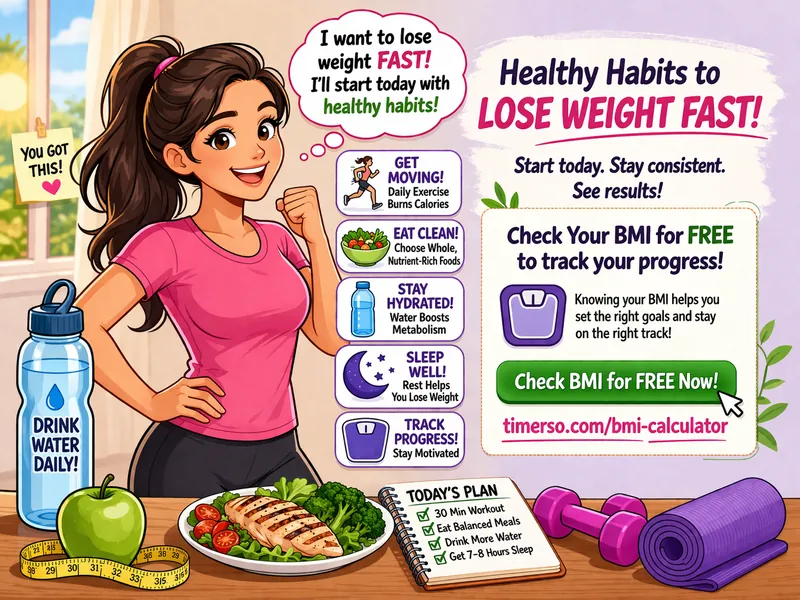
To get started instantly, we recommend using a free BMI calculator to find and manage your weight using this tool. By plugging in your metrics at timerso.com/bmi-calculator, you can set realistic, healthy goals and track your progress accurately as you begin to shed pounds.
2. Cut Back on Refined Carbs and Sugars
If you want to lose weight rapidly, the most effective first step is to drastically reduce your intake of sugars and starches (refined carbohydrates).
When you replace refined carbs with whole grains, lean proteins, and healthy fats, your hunger levels naturally drop, making it significantly easier to eat fewer calories without feeling starved. Furthermore, cutting carbs lowers insulin levels, which prompts your kidneys to shed excess sodium and water. It is very common to lose several pounds of pure water weight within the first week of reducing your carbohydrate intake.
3. Build Meals Around Protein, Fat, and Vegetables
To keep your metabolism running efficiently and your appetite satisfied, aim to include a source of lean protein, a healthy fat, and a complex carbohydrate (like vegetables) in every meal.
- Protein: Eating a high-protein diet has been shown to boost metabolism by 80 to 100 calories per day. Good sources include chicken breast, fish, eggs, tofu, and legumes.
- Low-Carb Vegetables: You can eat massive amounts of leafy greens, broccoli, cauliflower, and zucchini without significantly impacting your daily calorie limits. They are packed with fiber, which keeps you full.
- Healthy Fats: Do not fear fat. Olive oil, avocado, and nuts are excellent additions to your diet, but be mindful of portion sizes, as fats are calorie-dense.
4. Lift Weights to Preserve Muscle
When you lose weight quickly, your body often burns muscle alongside fat. Losing muscle slows down your resting metabolic rate, making it harder to keep the weight off in the long run.
To prevent this, incorporate resistance training into your routine three to four times a week. Lifting weights, using resistance bands, or doing bodyweight exercises (like push-ups and squats) signals to your body that it needs to preserve muscle mass, forcing it to burn stored fat for energy instead.
5. Prioritize Hydration and Sleep
The final—and often most neglected—pieces of the rapid weight loss puzzle are water and rest.
- Drink More Water: Drinking water naturally boosts your metabolism slightly, but more importantly, it helps you consume fewer calories. Drinking a glass of water 30 minutes before meals can lead to greater weight loss by helping you feel full faster.
- Get 7-9 Hours of Sleep: Poor sleep is one of the strongest risk factors for weight gain. Sleep deprivation disrupts the daily fluctuations in appetite hormones, leading to poor regulation of hunger and increased cravings for high-sugar foods.
Conclusion
Losing weight fast is possible, but it requires discipline and a commitment to healthy, evidence-based practices rather than starvation diets. By prioritizing protein, cutting empty carbohydrates, staying active, and tracking your progress with a free BMI calculator, you can achieve rapid results that you can actually maintain for the rest of your life.
Aim for a medically safe weight loss rate of 1 to 2 pounds per week after the initial drop in water weight, and focus on building habits that support your long-term vitality.
Authoritative References for Further Reading
To ensure your weight loss journey is safe and effective, always rely on peer-reviewed science and established medical guidelines:
- Mayo Clinic: Provides comprehensive, doctor-reviewed guidelines on safe rates of weight loss and how to achieve a healthy caloric deficit.
- Centers for Disease Control and Prevention (CDC): Offers authoritative resources on healthy eating, physical activity, and understanding your BMI for long-term health.
- National Institutes of Health (NIH): Publishes peer-reviewed clinical studies on the impact of dietary macronutrients (like protein and refined carbohydrates) on metabolic rate and fat loss.
- Academy of Nutrition and Dietetics: The world's largest organization of food and nutrition professionals, offering evidence-based advice on sustainable weight management.
(Disclaimer: This article is intended for educational and informational purposes only and does not constitute medical advice. Rapid weight loss is not appropriate for everyone. Always consult with a physician or a registered dietitian before beginning any new diet or rigorous exercise program, particularly if you have pre-existing health conditions.)