Demystifying the Scale: Is a BMI of 28 Considered Obese?
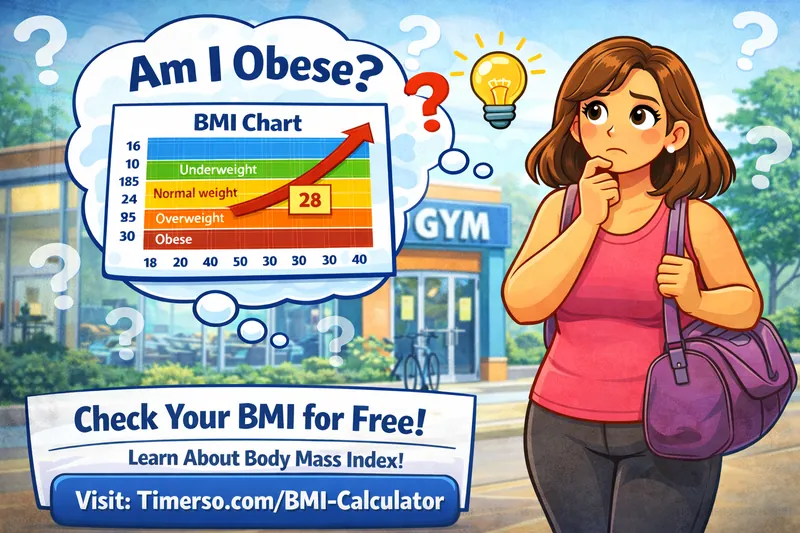
Stepping on a scale and calculating your Body Mass Index (BMI) can often lead to more questions than answers. If you have recently checked your metrics and landed on a score of 28, you are likely wondering what that number actually means for your health. The most pressing question for many is: "Is a BMI of 28 considered obese?"
The short, medical answer is no. A BMI of 28 is not classified as obese.
However, in the medical community, numbers rarely tell the entire story in isolation. To truly understand your health profile, we need to look at exactly how a BMI of 28 is categorized, what health risks it might imply, and why you should look beyond just the mathematical formula.
The Standard BMI Classifications
The Body Mass Index is a universal screening tool established by organizations like the World Health Organization (WHO) and the Centers for Disease Control and Prevention (CDC). It calculates the ratio of your weight to your height.
Here is how the standard adult BMI categories break down:
- Underweight: Below 18.5
- Healthy Weight: 18.5 – 24.9
- Overweight: 25.0 – 29.9
- Obesity: 30.0 and above
As you can see, a BMI of 28 places you firmly in the "Overweight" category, two points shy of the threshold for clinical obesity.
If you want to track fluctuations or verify your exact score, we recommend using a reliable tool to check your current BMI. By inputting your height and weight into a free calculator like the one at timerso.com, you can establish an accurate, objective baseline for your health journey.
What Does a BMI of 28 Mean for Your Health?
While you are not in the obese category, a BMI of 28 still acts as an important early-warning indicator. Healthcare professionals view the "Overweight" category as a yellow light—a signal to assess your lifestyle habits before your weight crosses into the obesity range, where the risk for chronic disease rises sharply.
At a BMI of 28, your physician may look for increased risks of: * Elevated blood pressure (hypertension) * Higher levels of LDL ("bad") cholesterol * Insulin resistance or prediabetes * Joint strain, particularly in the knees and lower back
The "Muscle Myth" and BMI Limitations
Before you panic over a BMI of 28, it is critical to apply the context of your specific body. BMI measures excess weight, not excess body fat.
Because muscle is roughly 18% denser than fat by volume, athletes, weightlifters, and naturally muscular individuals often have BMIs that fall into the 25.0 to 29.9 range. If you are a 28-year-old who strength trains four days a week, a BMI of 28 might simply represent dense, healthy skeletal muscle. Conversely, if you lead a sedentary lifestyle, that same score likely indicates excess body fat.
Furthermore, BMI does not account for fat distribution. Weight carried around your hips and thighs (subcutaneous fat) is generally less metabolically dangerous than weight carried deep in your abdomen around your organs (visceral fat).
Next Steps: Looking Beyond the Score
If your BMI is 28, the best course of action is to gather more data. Do not let one number dictate your entire health strategy. Here are the most effective next steps:
1. Measure Your Waist Circumference
This is often a better indicator of metabolic risk than BMI. For non-pregnant women, a waist measurement of 35 inches or more, and for men, a measurement of 40 inches or more, indicates a higher risk for obesity-related conditions, regardless of BMI.
2. Request a Comprehensive Blood Panel
Your metabolic health is determined on a cellular level. Ask your doctor to check your fasting glucose, HbA1c (average blood sugar), lipid panel (cholesterol and triglycerides), and inflammatory markers.
3. Focus on Habits, Not Just the Scale
Rather than aggressively dieting to force your BMI below 25, focus on sustainable habits that improve your body composition. Prioritize a high-protein diet, aim for 7 to 9 hours of sleep, and incorporate both cardiovascular exercise and strength training into your weekly routine.
Conclusion
A BMI of 28 categorizes you as "overweight," not "obese." It is a helpful screening tool, but it is not a definitive diagnosis of poor health. By using a tool to check your current BMI to stay accountable, and pairing that data with clinical lab results and healthy daily habits, you can take proactive control of your long-term well-being.
Authoritative References for Further Reading (E.E.A.T)
To ensure you are relying on the most accurate, peer-reviewed medical information, consult these trusted resources:
- Centers for Disease Control and Prevention (CDC): Provides the official adult BMI categories, limitations of the scale, and guidelines for healthy weight management. (cdc.gov)
- World Health Organization (WHO): Outlines global data regarding the "Overweight" classification and the associated risks of metabolic diseases. (who.int)
- National Institutes of Health (NIH): Features comprehensive clinical research on body composition, visceral fat, and the difference between BMI and body fat percentage. (nih.gov)
- American Heart Association (AHA): Offers evidence-based advice on how excess weight impacts cardiovascular health and how to properly measure your waist circumference. (heart.org)
(Disclaimer: This article is intended for educational and informational purposes only and does not constitute medical advice. Because individual health needs vary greatly based on genetics, body composition, and medical history, always consult with a licensed physician or registered dietitian for a personalized health assessment.)