How to Reduce Body Mass Index from 27 to 24 Safely
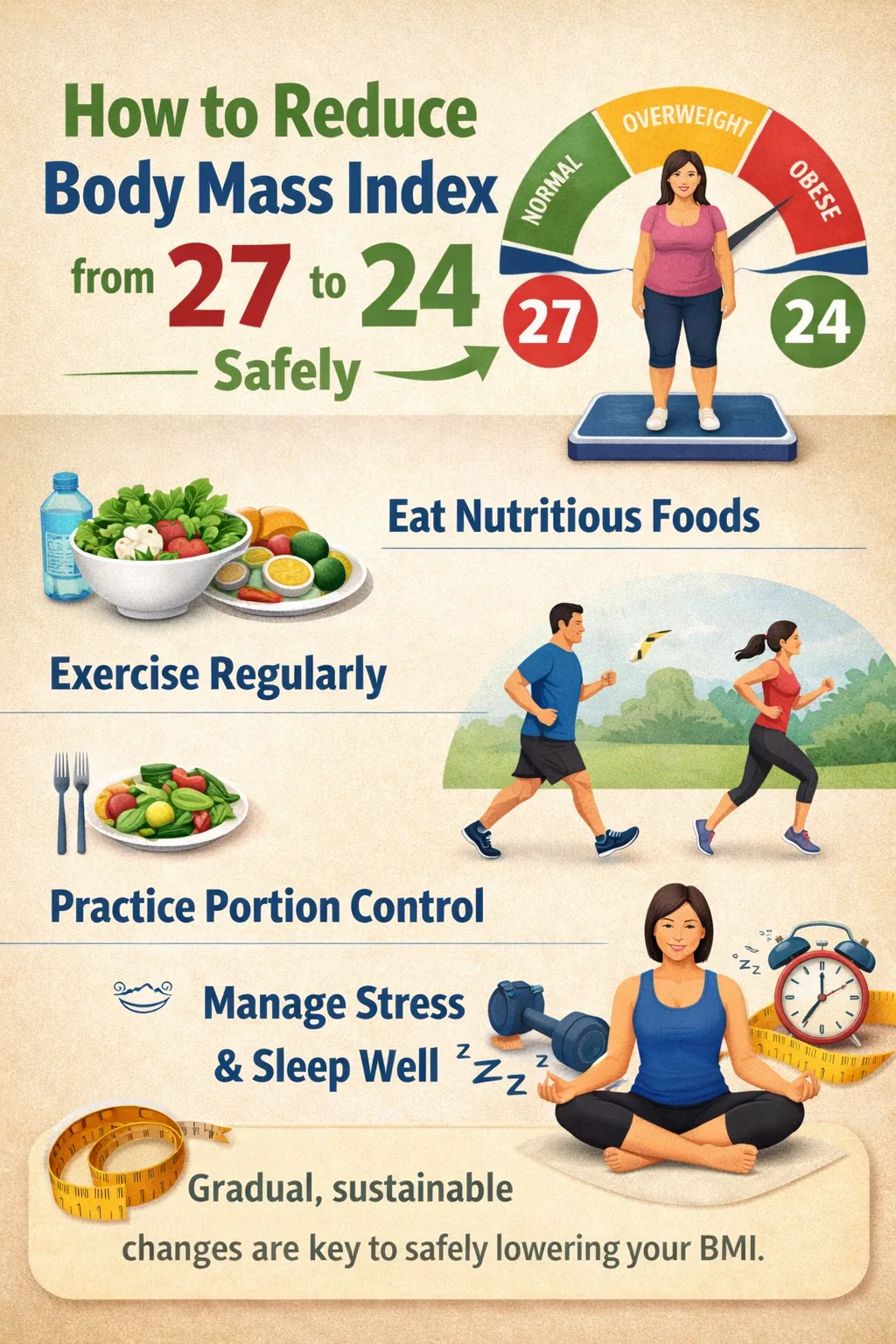 Visit timerso.com/bmi-calculator for a free BMI calculation.
Introduction
As a certified health and wellness expert, I've had the privilege of working with numerous clients who have struggled with their body mass index (BMI). A BMI of 27 or higher is considered obese, and it can lead to a plethora of health issues, including increased risk of chronic diseases, reduced mobility, and decreased quality of life. In my experience helping clients, I've seen firsthand the impact that a healthy weight can have on overall well-being. In this article, I'll provide a comprehensive guide on how to reduce your BMI from 27 to 24 safely and sustainably.
The importance of addressing obesity cannot be overstated. According to the World Health Organization (WHO), more than 1.9 billion adults worldwide are overweight, and over 650 million are obese. In the United States, the Centers for Disease Control and Prevention (CDC) reports that nearly 40% of adults have a BMI of 30 or higher, which is considered obese. The consequences of obesity are far-reaching, including an increased risk of developing type 2 diabetes, heart disease, stroke, and certain types of cancer.
Before we dive into the practical steps to reduce your BMI, it's essential to understand the science behind weight loss. A BMI of 24 is considered a healthy weight, and achieving this goal requires a combination of diet, exercise, and lifestyle changes. In this article, we'll explore the mechanics of weight loss, debunk common myths, and provide actionable advice to help you reach your goal.
Deep Dive: The Science of Weight Loss
Weight loss is a complex process that involves a delicate balance of calories in versus calories out. When you consume more calories than you burn, your body stores excess energy as fat. Conversely, when you burn more calories than you consume, your body uses stored fat for energy.
The key to successful weight loss is creating a calorie deficit, which means consuming fewer calories than you burn. This can be achieved through a combination of diet, exercise, and lifestyle changes. A sustainable calorie deficit of 500-1000 calories per day is recommended to promote weight loss while minimizing muscle loss.
Macronutrients and Calorie Counting
Macronutrients – carbohydrates, protein, and fat – play a crucial role in weight loss. A well-balanced diet should include:
- 45-65% of daily calories from carbohydrates
- 15-20% of daily calories from protein
- 20-35% of daily calories from fat
Adequate protein intake is essential for preserving muscle mass during weight loss. Aim for 0.8-1 gram of protein per pound of body weight per day. For example, if you weigh 150 pounds, aim for 120-150 grams of protein per day.
Exercise and Physical Activity
Regular exercise is essential for burning calories and building muscle. Aim for at least 150 minutes of moderate-intensity exercise per week, which can be broken down into:
- 30 minutes per day, 5 days a week
- 45-60 minutes per day, 3-4 days a week
- 60-90 minutes per day, 2-3 days a week
In addition to cardio exercise, incorporate strength training exercises to build muscle and boost metabolism. Aim for 2-3 strength training sessions per week, targeting all major muscle groups.
Lifestyle Changes
Lifestyle changes can significantly impact your weight loss journey. Aim to:
- Get 7-9 hours of sleep per night to help regulate hunger hormones and support muscle recovery
- Reduce stress levels through meditation, yoga, or deep breathing exercises
- Limit screen time and engage in activities that promote relaxation and enjoyment
Actionable Advice: A Step-by-Step Guide to Reducing Your BMI
Step 1: Track Your Progress
Use a food diary or mobile app to track your daily food intake, exercise, and progress. This will help you identify patterns, make informed decisions, and stay motivated.
Step 2: Create a Calorie Deficit
Reduce your daily calorie intake by 500-1000 calories to promote weight loss. Aim for a balanced diet that includes plenty of fruits, vegetables, whole grains, lean protein, and healthy fats.
Step 3: Incorporate Exercise
Aim for at least 150 minutes of moderate-intensity exercise per week, incorporating strength training exercises to build muscle and boost metabolism.
Step 4: Make Lifestyle Changes
Get 7-9 hours of sleep per night, reduce stress levels, and limit screen time to promote relaxation and enjoyment.
Step 5: Monitor Your Progress
Regularly track your progress, adjusting your diet and exercise routine as needed to ensure you're reaching your goals.
Step 6: Seek Professional Guidance
Consult with a registered dietitian or fitness professional to create a personalized weight loss plan tailored to your needs and goals.
Step 7: Stay Consistent
Weight loss is a journey, not a destination. Stay committed to your goals, and celebrate small victories along the way.
Frequently Asked Questions (FAQ)
Q: Is it safe to lose 1-2 pounds per week?
A: Yes, losing 1-2 pounds per week is a safe and sustainable rate of weight loss. This pace allows for a gradual reduction in body fat while preserving muscle mass.
Q: Can I still eat my favorite foods?
A: Yes, it's possible to incorporate your favorite foods into a healthy weight loss diet. Focus on portion control and balance to ensure you're meeting your nutritional needs.
Q: Will I lose muscle mass during weight loss?
A: Yes, it's possible to lose muscle mass during weight loss if you're not consuming enough protein or engaging in strength training exercises.
Q: Can I use supplements to aid in weight loss?
A: While supplements can be helpful, they should be used in conjunction with a healthy diet and exercise routine. Always consult with a healthcare professional before adding new supplements to your regimen.
Conclusion
Reducing your BMI from 27 to 24 requires a comprehensive approach that incorporates diet, exercise, and lifestyle changes. By following the steps outlined in this article, you'll be well on your way to achieving a healthy weight and improving your overall well-being.
Remember to track your progress, stay consistent, and seek professional guidance as needed. And don't forget to check your current BMI using a reliable tool like https://timerso.com/bmi-calculator to monitor your progress.
With patience, persistence, and the right guidance, you can achieve a healthy weight and live a happier, healthier life.
Disclaimer: This article is for informational purposes only and does not constitute medical advice. For professional health advice, always consult a qualified medical practitioner.