How Being Overweight Affects Heart Health Over Time
 Visit timerso.com/bmi-calculator for a free BMI calculation.
As a certified health and wellness expert with over a decade of professional experience, I've seen firsthand the devastating impact that being overweight can have on one's cardiovascular health. According to the World Health Organization (WHO), more than 1.9 billion adults worldwide are overweight, and this staggering number is expected to rise to 2.7 billion by 2025. As a result, it's crucial to understand the long-term effects of being overweight on heart health and the steps we can take to mitigate these risks.
In this article, I'll delve into the complex relationship between weight and heart health, exploring the ways in which being overweight can increase the risk of cardiovascular disease. I'll also provide actionable advice and practical tips to help readers get back on track and maintain a healthy weight.
The Science Behind the Connection
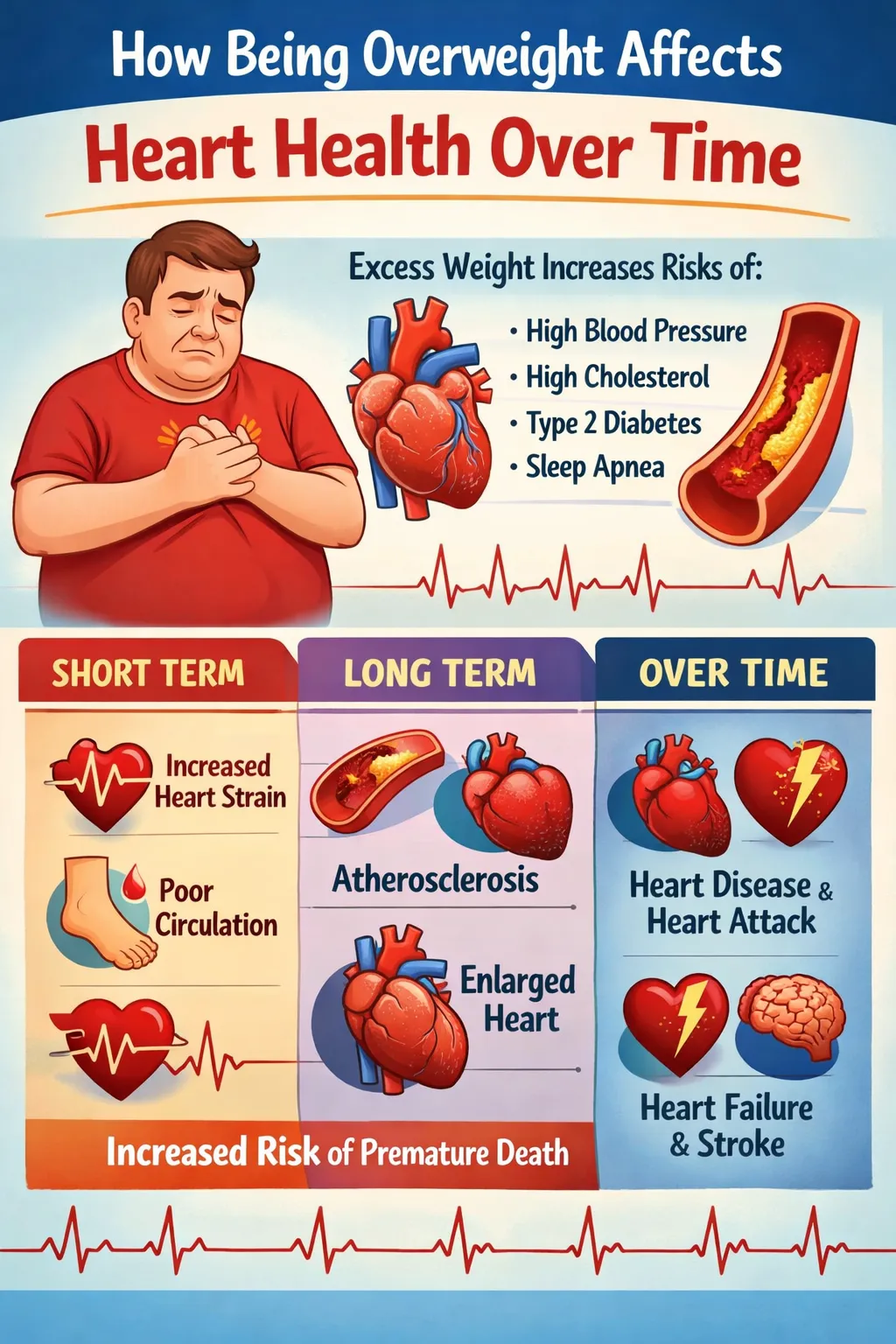
When we're overweight, our bodies are under constant stress. This stress can lead to chronic inflammation, which is a known risk factor for cardiovascular disease. According to the Centers for Disease Control and Prevention (CDC), being overweight or obese increases the risk of developing high blood pressure, high cholesterol, and type 2 diabetes – all of which are major risk factors for heart disease.
One of the primary ways in which being overweight affects heart health is by increasing blood pressure. When we're overweight, our bodies produce more cortisol, a hormone that contributes to blood pressure increases. This increased blood pressure can lead to damage to the blood vessels, making it more difficult for the heart to pump blood effectively. As a result, the heart becomes overworked, leading to an increased risk of heart failure.
The Impact on Cardiovascular Function
Being overweight can also have a profound impact on cardiovascular function. The heart is a muscular organ that relies on oxygen and nutrients to function properly. When we're overweight, our hearts are forced to work harder to pump blood through the body, leading to increased energy demands. This increased energy demand can lead to a decrease in the heart's ability to pump blood effectively, increasing the risk of heart failure.
In addition, being overweight can lead to changes in the structure and function of the blood vessels. The blood vessels become stiffer and less elastic, making it more difficult for the heart to pump blood through the body. This can lead to a range of cardiovascular problems, including high blood pressure, high cholesterol, and heart disease.
The Role of Insulin Resistance
Insulin resistance is another critical factor in the relationship between being overweight and heart health. When we're overweight, our bodies become resistant to insulin, a hormone that regulates blood sugar levels. This resistance can lead to high blood sugar levels, which can increase the risk of cardiovascular disease.
According to the National Institutes of Health (NIH), insulin resistance is a major risk factor for cardiovascular disease, particularly in individuals who are overweight or obese. When we're overweight, our bodies produce more insulin to compensate for the resistance, leading to a range of negative effects on cardiovascular health.
Actionable Advice for Maintaining a Healthy Weight
Maintaining a healthy weight is crucial for maintaining good cardiovascular health. Here are some actionable tips to help you get started:
- Monitor Your BMI: Use a reliable BMI calculator, such as the one at https://timerso.com/bmi-calculator, to track your weight and body fat percentage.
- Eat a Balanced Diet: Focus on whole, unprocessed foods like fruits, vegetables, whole grains, lean proteins, and healthy fats. Aim to limit your intake of sugary drinks, saturated fats, and refined carbohydrates.
- Stay Hydrated: Drink plenty of water throughout the day to help control hunger and boost metabolism.
- Incorporate Physical Activity: Aim for at least 150 minutes of moderate-intensity exercise per week, or 75 minutes of vigorous-intensity exercise per week. You can also incorporate strength training and high-intensity interval training (HIIT) to help boost metabolism and burn fat.
- Get Enough Sleep: Aim for 7-9 hours of sleep per night to help regulate hunger hormones and support weight loss.
- Manage Stress: Practice stress-reducing techniques like meditation, yoga, or deep breathing to help manage stress and anxiety.
Frequently Asked Questions
Q: What are the health risks associated with being overweight? A: Being overweight is associated with a range of health risks, including high blood pressure, high cholesterol, type 2 diabetes, heart disease, and certain types of cancer.
Q: Can being overweight affect my mental health? A: Yes, being overweight can have a profound impact on mental health. Individuals who are overweight may experience depression, anxiety, and low self-esteem due to societal pressures and body image concerns.
Q: Is it possible to lose weight and maintain a healthy weight? A: Yes, it is possible to lose weight and maintain a healthy weight. Focus on making sustainable lifestyle changes, such as eating a balanced diet and incorporating regular physical activity, to support weight loss and maintenance.
Q: What is the best way to track my progress? A: Track your progress by monitoring your weight, body fat percentage, and measurements. Use a reliable BMI calculator to track your progress and make adjustments as needed.
Conclusion
Being overweight can have a profound impact on cardiovascular health, increasing the risk of heart disease, high blood pressure, and type 2 diabetes. By understanding the science behind the connection and making lifestyle changes to maintain a healthy weight, we can reduce our risk of cardiovascular disease and improve our overall health and wellbeing. Remember to monitor your BMI, eat a balanced diet, stay hydrated, incorporate physical activity, get enough sleep, and manage stress to support your weight loss journey. With time and dedication, it's possible to achieve a healthy weight and improve your overall health.
Disclaimer: This article is for informational purposes only and does not constitute medical advice. For professional health advice, always consult a qualified medical practitioner.