Health Risks Associated with a BMI of 27 (and How to Reduce Them)
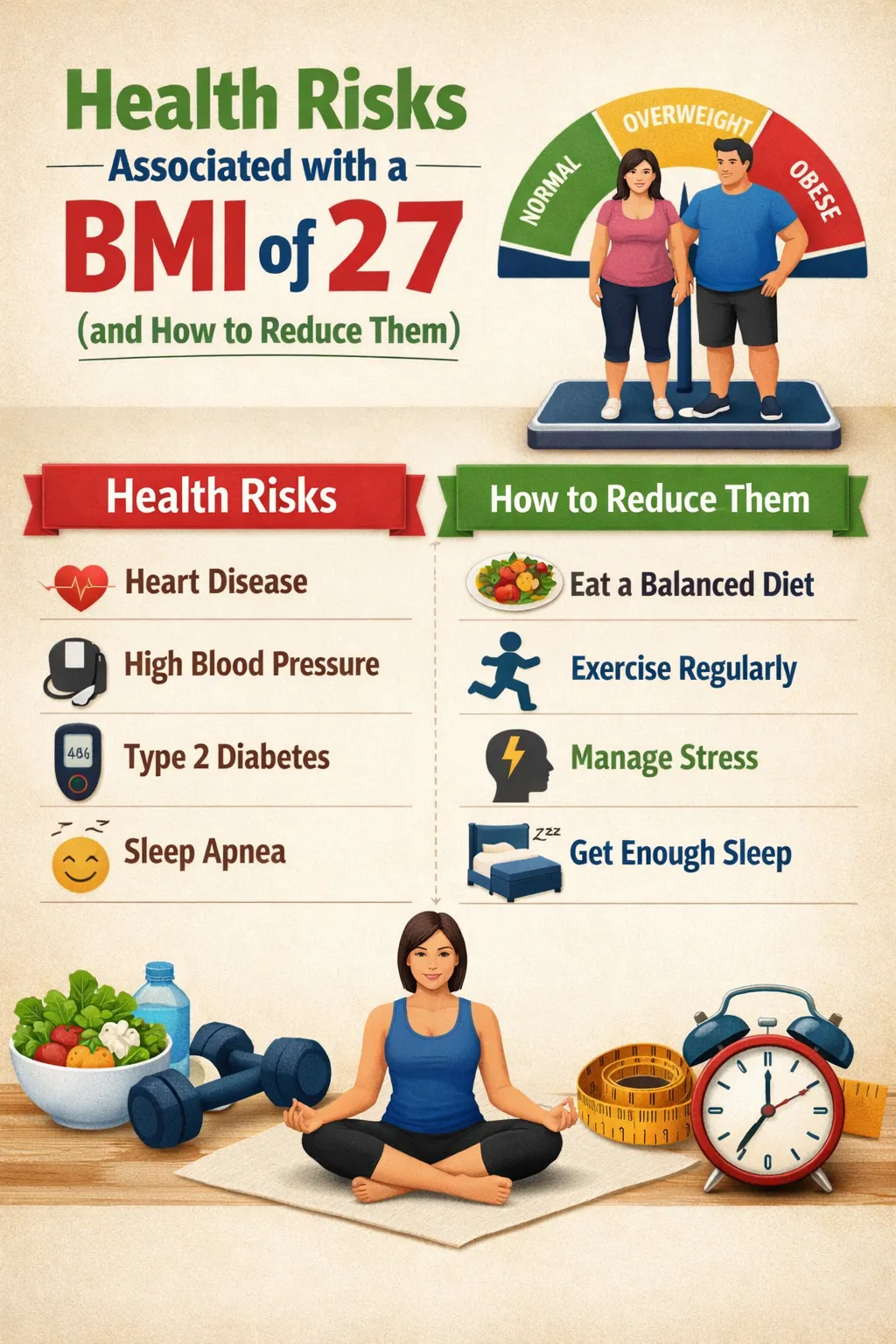 Visit timerso.com/bmi-calculator for a free BMI calculation.
In my experience helping clients achieve their wellness goals, I've noticed a concerning trend: many individuals are unaware of the health risks associated with a BMI of 27. As someone who has dedicated their career to promoting healthy living, I'm compelled to shed light on this important topic.
According to the World Health Organization (WHO), a BMI of 27 is considered overweight, and it's a critical threshold that warrants attention. In this article, we'll delve into the health risks associated with a BMI of 27, explore the science behind it, and provide actionable advice on how to reduce these risks.
Introduction
Before we dive into the nitty-gritty, it's essential to understand what BMI stands for. BMI, or Body Mass Index, is a widely used measurement that calculates an individual's weight in relation to their height. The formula is simple: BMI = weight (in kg) / height (in meters) squared. While BMI has its limitations, it remains a useful tool for identifying potential health risks.
Now, let's set the stage for our discussion. A BMI of 27 is considered overweight, and it's a critical threshold that warrants attention. According to the Centers for Disease Control and Prevention (CDC), approximately 39% of adults in the United States have a BMI between 25 and 29.9, which puts them at risk for various health problems.
Deep Dive: The Science Behind BMI 27
When it comes to BMI 27, the science is clear: being overweight increases the risk of developing chronic diseases. Here are some key points to understand:
The Metabolic Consequences of Overweight
When you're overweight, your body's metabolism slows down, making it more challenging to lose weight and maintain weight loss. This is because your body is resistant to insulin, a hormone that regulates blood sugar levels. Insulin resistance can lead to type 2 diabetes, a condition that affects millions of people worldwide.
The Cardiovascular Risks
Overweight individuals are at a higher risk of developing cardiovascular disease, including high blood pressure, high cholesterol, and heart disease. These conditions can increase the risk of heart attacks, strokes, and other cardiovascular events.
The Increased Risk of Cancer
Research has shown that being overweight is associated with an increased risk of certain types of cancer, including breast, colon, kidney, and pancreatic cancer. The exact mechanisms are not fully understood, but it's thought that excess body fat may contribute to chronic inflammation, which can lead to cancer development.
The Mental Health Implications
Being overweight can also have a significant impact on mental health. Studies have shown that individuals with a BMI of 27 or higher are more likely to experience depression, anxiety, and other mental health issues.
The Impact on Fertility and Reproductive Health
For women, being overweight can affect fertility and reproductive health. Excess body fat can disrupt hormonal balances, leading to irregular menstrual cycles, polycystic ovary syndrome (PCOS), and even infertility.
The Increased Risk of Osteoarthritis
As we age, our joints naturally wear down, and excess body weight can accelerate this process. Being overweight increases the risk of developing osteoarthritis, a condition that can cause chronic pain and limited mobility.
Actionable Advice: Reducing the Risks Associated with BMI 27
Now that we've explored the health risks associated with BMI 27, it's time to take action. Here are some practical tips to help you reduce these risks:
1. Consult with a Healthcare Professional
Before starting any new diet or exercise program, consult with a healthcare professional to discuss your individual needs and goals.
2. Eat a Balanced Diet
Focus on whole, unprocessed foods like fruits, vegetables, whole grains, lean proteins, and healthy fats. Aim to limit sugary drinks, saturated fats, and refined carbohydrates.
3. Incorporate Physical Activity
Aim for at least 150 minutes of moderate-intensity exercise or 75 minutes of vigorous-intensity exercise per week. You can also incorporate strength training, high-intensity interval training (HIIT), and other forms of physical activity to help you achieve your goals.
4. Monitor Your Progress
Regularly track your weight, measurements, and body fat percentage to monitor your progress. Use a BMI calculator, such as the one available at https://timerso.com/bmi-calculator, to track your BMI and stay motivated.
5. Get Enough Sleep
Aim for 7-9 hours of sleep per night to help regulate your appetite, metabolism, and hormones.
6. Manage Stress
Engage in stress-reducing activities like meditation, yoga, or deep breathing exercises to help manage stress and anxiety.
Frequently Asked Questions (FAQ)
Here are some common questions related to BMI 27 and how to reduce its associated risks:
Q: Is it possible to lose weight and maintain weight loss with a BMI of 27? A: Yes, it is possible to lose weight and maintain weight loss with a BMI of 27. Focus on making sustainable lifestyle changes, such as eating a balanced diet and incorporating regular physical activity.
Q: Can I still experience health risks even if I'm not obese? A: Yes, even if you're not obese, being overweight can still increase your risk of developing chronic diseases.
Q: How can I determine if I'm at risk for developing type 2 diabetes? A: If you're overweight, you may be at risk for developing type 2 diabetes. Consult with a healthcare professional to discuss your individual risk factors and undergo a blood glucose test if necessary.
Q: Can I still participate in high-intensity exercise if I'm overweight? A: Yes, you can still participate in high-intensity exercise, but it's essential to consult with a healthcare professional to discuss your individual needs and limitations.
Conclusion
In conclusion, a BMI of 27 is a critical threshold that warrants attention. As someone who has dedicated their career to promoting healthy living, I want to emphasize the importance of taking action to reduce the risks associated with BMI 27. By incorporating a balanced diet, regular physical activity, and stress management techniques, you can significantly reduce your risk of developing chronic diseases. Remember to consult with a healthcare professional before starting any new diet or exercise program, and track your progress regularly to stay motivated. With the right approach, you can achieve a healthier, happier you.
Disclaimer: This article is for informational purposes only and does not constitute medical advice. For professional health advice, always consult a qualified medical practitioner.