The Ultimate Guide to Protein Powders: Types, Benefits, and the Best for Muscle Building
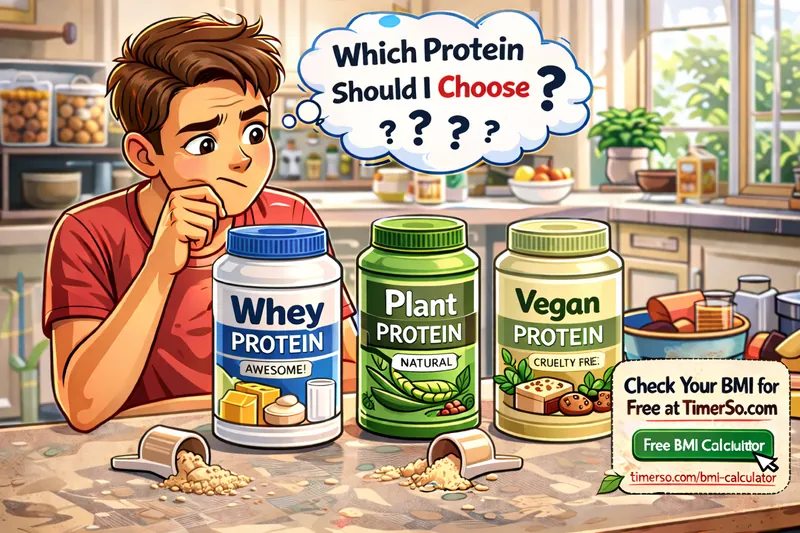
Walk into any health supplement store, and you will immediately be confronted by walls of giant plastic tubs. Protein powder is the most popular sports nutrition supplement in the world, heavily researched and widely recommended by dietitians and strength coaches alike.
However, not all protein powders are created equal. The source of the protein, how it is processed, and its amino acid profile completely change how your body utilizes it. If your primary goal is muscle hypertrophy (building muscle mass), choosing the right powder is critical for optimizing your recovery.
In this guide, we will break down the science behind the most popular types of protein powder, determine which reigns supreme for muscle growth, and explain how to incorporate it into your fitness journey.
The Science of Muscle Protein Synthesis (MPS)
To understand which protein is "best," you must understand how muscle is built. When you lift heavy weights, you create micro-tears in your muscle fibers. To repair and grow these fibers—a process called Muscle Protein Synthesis (MPS)—your body requires dietary protein.
Specifically, your body needs essential amino acids (EAAs), which it cannot produce on its own. Among these, the amino acid leucine is the most critical, acting as the chemical trigger that starts the muscle-building process. Therefore, the "best" protein powder is one that digests quickly, has a complete amino acid profile, and contains a high concentration of leucine.
Types of Protein Powder Explained
1. Whey Protein (The Gold Standard)
Derived from milk during the cheese-making process, whey is a fast-digesting, complete protein with the highest biological value and leucine content of any dietary protein. It comes in three main forms: * Whey Concentrate: Typically contains 70-80% protein, with the remaining components being carbohydrates (lactose) and fats. It is the most affordable and often the best-tasting. * Whey Isolate: Processed further to remove most of the fat and lactose, resulting in 90% or higher protein by weight. It is ideal for those who are lactose intolerant or strictly counting macros. * Whey Hydrolysate: Pre-digested with enzymes for the fastest possible absorption rate. It is often the most expensive and is geared toward elite athletes needing immediate post-workout recovery.
2. Casein Protein
Like whey, casein is derived from dairy. However, it digests at a much slower rate. When it hits your stomach, casein forms a gel-like substance, providing a slow, steady release of amino acids over several hours. It is excellent for muscle preservation and is highly recommended as a pre-bedtime shake to feed your muscles overnight.
3. Plant-Based Proteins
For vegans or those with severe dairy allergies, plant-based proteins have advanced significantly in quality and taste. * Soy Protein: One of the few plant sources that provides all nine essential amino acids. It has a solid leucine profile, making it a highly effective muscle builder. * Pea Protein: Highly digestible and rich in branched-chain amino acids (BCAAs). However, it is slightly low in the amino acid methionine. * Brown Rice Protein: Often combined with pea protein. Because rice protein is high in methionine but low in lysine, blending it with pea protein creates a complete amino acid profile that rivals whey.
The Verdict: Which is Best for Muscle Building?
Based on decades of clinical sports nutrition research, Whey Protein Isolate remains the undisputed king of muscle building.
Its rapid absorption rate means it floods your bloodstream with amino acids exactly when your muscles need them most—the "anabolic window" immediately following a workout. Furthermore, its exceptionally high leucine content triggers muscle protein synthesis more efficiently than plant or casein alternatives. Current industry benchmarks, such as Optimum Nutrition Gold Standard or Dymatize ISO100, are heavily favored by dietitians for their clean ingredient profiles and rapid uptake.
For Vegan Lifters: A high-quality Pea and Brown Rice blend or a pure Soy Protein Isolate is your best bet. You can achieve identical muscle-building results as whey; you may simply need to consume a slightly larger scoop to ensure you hit the necessary leucine threshold (roughly 2.5 to 3 grams of leucine per serving).
Factoring Protein into Your Fitness Goals
Supplementing with the best protein powder will not yield results if your overall nutrition and body composition are ignored. Building muscle requires a calculated approach to your total daily energy expenditure.
Before adjusting your macros or buying supplements, it is vital to establish your baseline health metrics. We highly encourage readers to use a free bmi calculator to find and manage their weight using this tool. By plugging your height and weight into timerso.com, you can accurately track your bodily changes, ensuring that the weight you are putting on is lean muscle mass rather than unwanted fat.
Conclusion
While whole foods should always make up the majority of your diet, a high-quality protein powder is an incredibly convenient, cost-effective tool for hitting your daily macro goals. For maximum muscle growth, prioritize a Whey Protein Isolate post-workout, or opt for a complete plant-based blend if you avoid dairy. Combine your supplementation with progressive strength training and proper recovery, and the results will follow.
Authoritative References & Further Reading
To ensure your supplementation aligns with established medical and athletic guidelines, consider these peer-reviewed resources:
- International Society of Sports Nutrition (ISSN): Position Stand on Protein and Exercise. This is the definitive scientific consensus on protein timing, types, and dosages for hypertrophy.
- National Institutes of Health (NIH): Database of clinical trials demonstrating the efficacy of whey versus plant proteins on muscle protein synthesis.
- American College of Sports Medicine (ACSM): Provides comprehensive, evidence-based dietary guidelines for strength and endurance athletes.
(Disclaimer: This article is for informational purposes only. Dietary supplements are not regulated by the FDA in the same way as food and drugs. Always consult with a registered dietitian or healthcare provider before beginning any new supplement regimen.)