Fitness for Beginners: A Step-by-Step Guide to Getting Started
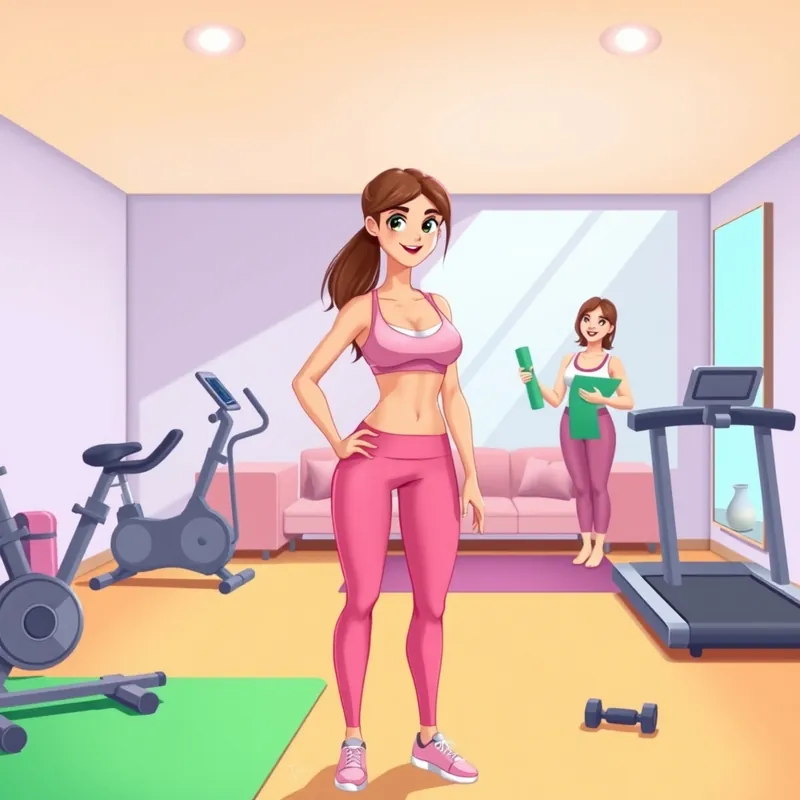 Visit timerso.com/bmi-calculator for a free BMI calculation.
As a certified health and wellness expert, I'm excited to share with you a comprehensive guide to getting started with fitness. Whether you're a complete beginner or looking to refresh your routine, this article will provide you with a step-by-step plan to help you achieve your fitness goals.
Introduction
Regular physical activity is essential for maintaining overall health and well-being. According to the World Health Organization (WHO), physical inactivity is a major risk factor for chronic diseases, such as heart disease, diabetes, and some cancers. The Centers for Disease Control and Prevention (CDC) recommend at least 150 minutes of moderate-intensity aerobic activity or 75 minutes of vigorous-intensity aerobic activity per week. However, for many of us, getting started with fitness can be intimidating, especially if we're new to exercise or haven't been active in a while.
Deep Dive / Core Concepts
Understanding Your Goals
Before starting any fitness program, it's essential to define your goals. What do you want to achieve through exercise? Do you want to lose weight, build muscle, increase endurance, or simply feel more energetic? Having clear goals in mind will help you create a focused plan and track your progress.
The American College of Sports Medicine (ACSM) recommends setting SMART (Specific, Measurable, Achievable, Relevant, and Time-bound) goals. For example, instead of saying "I want to get fit," you could say "I want to be able to walk for 30 minutes without getting tired within the next 3 months."
Assessing Your Current Fitness Level
To create an effective fitness plan, you need to assess your current fitness level. This includes evaluating your:
- Cardiovascular endurance: How well can you sustain physical activity over time?
- Muscular strength and endurance: How strong are your muscles, and how long can you sustain physical activity?
- Flexibility: How flexible are your joints and muscles?
- Body composition: What is your body fat percentage, and how much muscle mass do you have?
You can use online tools, such as the BMI calculator, to get an estimate of your body mass index (BMI) and body fat percentage.
Choosing the Right Exercise
With so many exercise options available, it can be overwhelming to choose the right one. The good news is that there's no one-size-fits-all approach to fitness. The key is to find activities that you enjoy and that cater to your fitness goals.
The National Institutes of Health (NIH) recommend a mix of:
- Aerobic exercise: Activities that raise your heart rate and improve cardiovascular health, such as walking, running, swimming, or cycling.
- Resistance training: Activities that build muscle and improve strength, such as weightlifting or bodyweight exercises.
- Flexibility and stretching: Activities that improve flexibility and range of motion, such as yoga or Pilates.
Actionable Advice
Step 1: Start with Small Changes
Begin by making small changes to your daily routine. For example:
- Take the stairs instead of the elevator at work or in your home.
- Walk to a coworker's desk instead of sending an email.
- Do a few jumping jacks or stretch during commercial breaks while watching TV.
Step 2: Schedule Your Workouts
Treat your workouts as non-negotiable appointments. Schedule them in your calendar and commit to showing up.
- Start with 2-3 times per week and gradually increase frequency as you become more comfortable.
- Aim for at least 30 minutes per session.
Step 3: Find a Workout Buddy or Community
Exercising with a friend or joining a fitness community can be a great motivator.
- Find a workout buddy who shares your fitness goals and schedule.
- Join a fitness class or online community to connect with like-minded individuals.
Step 4: Track Your Progress
Monitoring your progress is essential to staying motivated and on track.
- Use a fitness tracker or mobile app to track your workouts, distance, and calories burned.
- Take progress photos and measurements to track visual changes.
Step 5: Seek Professional Guidance
If you're new to exercise or have specific fitness goals, consider working with a certified personal trainer or fitness coach.
- They can help you create a customized workout plan tailored to your needs and goals.
- They can also provide guidance on proper form and technique to prevent injuries.
Frequently Asked Questions (FAQ)
Q: I'm new to exercise. What's the best way to get started?
A: Start with small changes to your daily routine, such as taking the stairs or walking to a coworker's desk. Schedule your workouts and find a workout buddy or community to stay motivated.
Q: What if I have a medical condition or injury?
A: Consult with your healthcare provider before starting any new exercise program. They can help you create a safe and effective workout plan tailored to your needs.
Q: How often should I work out?
A: Aim for at least 2-3 times per week, with at least 30 minutes per session. Gradually increase frequency and duration as you become more comfortable.
Q: What's the best exercise for weight loss?
A: A combination of aerobic exercise, resistance training, and high-intensity interval training (HIIT) can be effective for weight loss. Consult with a certified personal trainer or fitness coach to create a customized workout plan.
Conclusion
Disclaimer: This article is for informational purposes only and does not constitute medical advice. For professional health advice, always consult a qualified medical practitioner.