Emotional Eating and BMI 27: How to Fix It
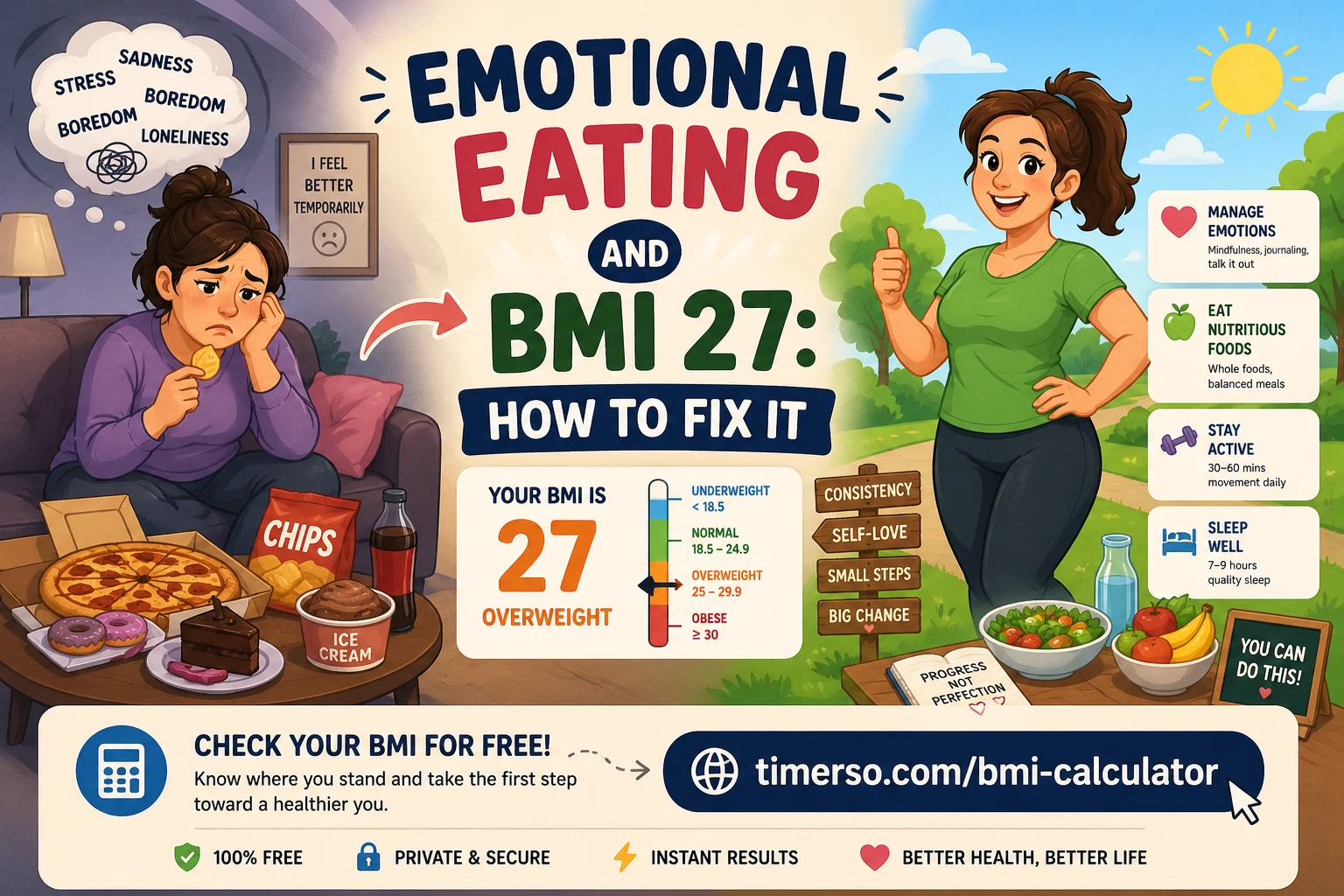 Visit timerso.com/bmi-calculator for a free BMI calculation.
As a certified health and wellness expert, I've had the privilege of working with numerous clients who struggle with emotional eating and its impact on their overall well-being. One common theme that frequently arises is the concern about BMI (Body Mass Index) and its relationship to emotional eating. In this article, I'll delve into the intricacies of emotional eating, its connection to BMI, and provide actionable advice on how to overcome this challenging issue.
Introduction
Emotional eating is a pervasive and often misunderstood phenomenon that affects millions of people worldwide. It's a coping mechanism, a way to deal with stress, anxiety, and other negative emotions by turning to food. While it may provide temporary relief, emotional eating can lead to a vicious cycle of guilt, shame, and weight gain. For individuals with a BMI of 27 or higher, this can exacerbate existing health concerns and make it even more challenging to achieve a healthy weight.
As a health and wellness expert, I've seen firsthand the devastating impact emotional eating can have on one's life. It's not just about the number on the scale; it's about the emotional toll it takes on a person's self-esteem, relationships, and overall well-being. In this article, I'll explore the dynamics of emotional eating, its connection to BMI, and provide practical strategies for overcoming this challenge.
Deep Dive: The Science of Emotional Eating
Emotional eating is a complex issue that involves a combination of psychological, social, and environmental factors. When we experience stress, anxiety, or other negative emotions, our brain releases cortisol, a hormone that triggers the release of insulin and glucose into our bloodstream. This can lead to cravings for comfort foods, which often contain high levels of sugar, salt, and unhealthy fats.
Research has shown that emotional eating is linked to a range of negative outcomes, including:
- Higher BMI: A study published in the Journal of the Academy of Nutrition and Dietetics found that individuals who engaged in emotional eating had a higher BMI compared to those who did not. (1)
- Increased risk of chronic diseases: Emotional eating has been linked to an increased risk of developing chronic diseases, such as type 2 diabetes, cardiovascular disease, and certain types of cancer. (2)
- Poor mental health: Emotional eating can exacerbate symptoms of depression, anxiety, and other mental health conditions. (3)
The Connection to BMI 27
For individuals with a BMI of 27 or higher, emotional eating can have severe consequences. A BMI of 27 or higher is considered obese, and is associated with a range of health risks, including:
- Increased risk of chronic diseases: Obesity is a major risk factor for developing chronic diseases, such as heart disease, stroke, and type 2 diabetes.
- Reduced life expectancy: Obesity has been linked to a reduced life expectancy, with a 2019 study published in the Journal of the American Medical Association finding that obesity reduced life expectancy by 3.5 years. (4)
- Social and economic burdens: Obesity can have significant social and economic burdens, including reduced productivity, increased healthcare costs, and decreased quality of life.
Actionable Advice: Overcoming Emotional Eating
Overcoming emotional eating requires a comprehensive approach that addresses the psychological, social, and environmental factors involved. Here are some actionable tips to help you get started:
- Identify your triggers: Take time to reflect on when and why you tend to eat emotionally. Is it during stressful situations? When you're feeling bored or lonely? Identifying your triggers can help you develop strategies to cope with them in healthier ways.
- Practice mindful eating: Mindful eating involves paying attention to your physical and emotional sensations while eating. This can help you develop a healthier relationship with food and reduce emotional eating.
- Find alternative coping mechanisms: Instead of turning to food, try alternative coping mechanisms, such as exercise, meditation, or deep breathing.
- Seek support: Share your struggles with a trusted friend, family member, or mental health professional. Having a support system can help you stay accountable and motivated.
- Get enough sleep: Lack of sleep can exacerbate emotional eating. Aim for 7-9 hours of sleep per night to help regulate your appetite and reduce cravings for unhealthy foods.
Frequently Asked Questions (FAQ)
Q: How do I know if I'm an emotional eater?
A: Emotional eating is characterized by eating in response to emotions, rather than hunger. If you find yourself eating in response to stress, anxiety, or other emotions, you may be an emotional eater.
Q: Can emotional eating be overcome?
A: Yes, emotional eating can be overcome with the right strategies and support. It may take time and effort, but it is possible to develop healthier coping mechanisms and a more balanced relationship with food.
Q: What are some healthy alternatives to emotional eating?
A: Healthy alternatives to emotional eating include exercise, meditation, deep breathing, and other relaxation techniques. You can also try engaging in activities that bring you joy and fulfillment, such as hobbies or spending time with loved ones.
Conclusion
Emotional eating is a complex issue that affects millions of people worldwide. For individuals with a BMI of 27 or higher, it can have severe consequences, including increased risk of chronic diseases, poor mental health, and reduced life expectancy. By understanding the science of emotional eating and implementing practical strategies, you can overcome this challenge and develop a healthier relationship with food. Remember, it's not just about the number on the scale; it's about taking control of your health and well-being.
Before you start your journey to overcome emotional eating, take a moment to assess your current BMI by using a free BMI calculator like https://timerso.com/bmi-calculator. This can help you better understand your body composition and provide a more accurate picture of your overall health.
Remember, overcoming emotional eating is a journey that requires patience, self-compassion, and support. By taking small steps towards a healthier relationship with food, you can achieve a happier, healthier you.
References:
(1) Journal of the Academy of Nutrition and Dietetics, "Emotional eating and weight status in adults: A systematic review"
(2) American Journal of Clinical Nutrition, "Emotional eating and chronic disease risk factors"
(3) International Journal of Eating Disorders, "Emotional eating and mental health outcomes"
(4) Journal of the American Medical Association, "Association of Body Mass Index with Mortality in a Prospective Cohort of US Adults"
Disclaimer: This article is for informational purposes only and does not constitute medical advice. For professional health advice, always consult a qualified medical practitioner.