BMI vs. Visceral Fat: Which is a Better Predictor of Your Health?
When assessing health and weight, the medical community and the general public have long relied on the scale. For decades, the standard measurement for determining whether someone is at a healthy weight has been the Body Mass Index (BMI). However, modern metabolic science reveals that how much you weigh is often far less important than where you carry that weight.
This brings us to the growing debate in preventive medicine: BMI vs. Visceral Fat.
While BMI provides a general overview of your body mass, visceral fat serves as a direct indicator of your internal metabolic health. Understanding the difference between these two metrics—and why one often hides the dangers of the other—is essential for anyone serious about their long-term well-being.
What is BMI (Body Mass Index)?
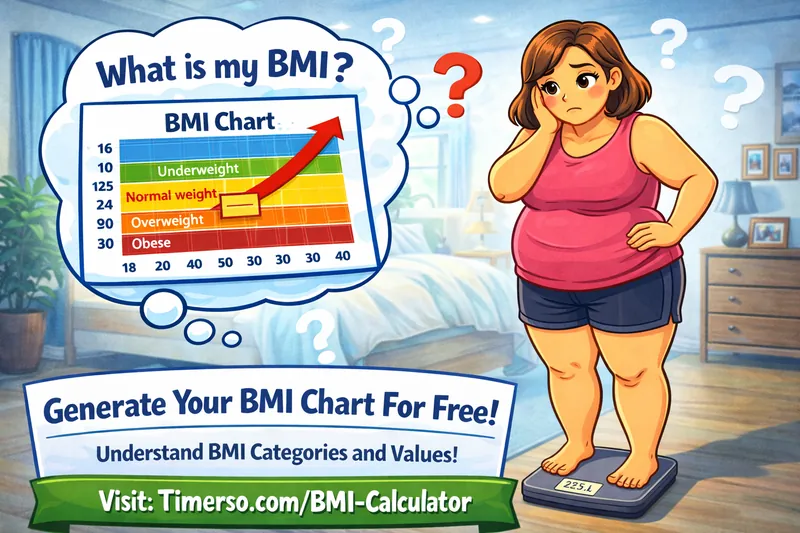
BMI is a simple mathematical formula that divides your weight in kilograms by your height in meters squared. It places individuals into broad categories: Underweight, Healthy Weight, Overweight, and Obese.
The Pros of BMI: * It is universally understood, completely free, and requires no specialized medical equipment. * On a large, population-wide scale, it is a highly reliable tool for tracking obesity trends. * It provides an excellent baseline. If you are starting a health journey, using a tool to check your current BMI gives you an immediate, objective starting point to discuss with your doctor.
The Cons of BMI: * BMI is completely blind to body composition. It cannot distinguish between 10 pounds of dense, metabolically active skeletal muscle and 10 pounds of fat. * More importantly, it cannot tell you where your body is storing its fat.
What is Visceral Fat?
Not all body fat is created equal. The fat you can pinch on your arms, thighs, or hips is called subcutaneous fat. While excess subcutaneous fat can be a burden on your joints, it is relatively harmless from a metabolic standpoint.
Visceral fat, on the other hand, is stored deep within your abdominal cavity. It wraps around your vital internal organs, including your liver, pancreas, and intestines.
Medical researchers now understand that visceral fat acts like an intrusive, active organ. It continuously pumps inflammatory cytokines and free fatty acids into your bloodstream. High levels of visceral fat are directly linked to: * Insulin resistance and Type 2 Diabetes * Cardiovascular disease and hypertension * Elevated LDL ("bad") cholesterol * Increased risk of stroke and certain cancers
The Showdown: Why Normal BMI Doesn't Mean "Healthy"
The greatest danger in the "BMI vs. Visceral Fat" debate is a phenomenon known in the medical community as TOFI: Thin Outside, Fat Inside.
Because BMI only measures total mass, a person can have a perfectly "Healthy" BMI (e.g., 22) but carry a dangerously high amount of visceral fat. This individual might look thin in clothing and receive a clean bill of health from a standard BMI chart, yet internally, their organs are suffocating in inflammatory fat, putting them at high risk for a sudden heart attack or diabetes.
Conversely, a bodybuilder might have a BMI of 29 (classifying them as "Overweight"), but their visceral fat levels are practically zero.
The Verdict: While BMI is a helpful screening tool, visceral fat is a much more accurate predictor of chronic disease and mortality.
How to Measure Your True Risk
Since you cannot see or pinch visceral fat, and your BMI cannot measure it, how do you know if you are at risk?
- Calculate Your Baseline: Start by getting the big picture. Use a tool to check your current BMI. If your BMI is elevated, your likelihood of having visceral fat is generally higher.
- Measure Your Waist Circumference: This is the easiest at-home test for visceral fat. Wrap a tape measure around your bare stomach, just above your hip bones (roughly at the belly button). For non-pregnant women, a measurement of 35 inches or more, and for men, a measurement of 40 inches or more, strongly indicates dangerous visceral fat accumulation.
- Waist-to-Height Ratio (WHtR): A simple rule of thumb supported by modern cardiologists is to keep your waist circumference to less than half of your height.
- Clinical Scans: If you want absolute precision, medical imaging like a DEXA scan, MRI, or CT scan can definitively measure the exact volume of visceral fat inside your abdomen.
Conclusion
When evaluating your health, don't let the scale be your only judge. BMI is a useful, accessible starting point, but it only scratches the surface. By understanding the hidden dangers of visceral fat and actively monitoring your waistline alongside your BMI, you can take a comprehensive, proactive approach to protecting your metabolic health.
Authoritative References for Further Reading (E.E.A.T)
To ensure your health decisions are guided by the highest standards of medical science, consult these trusted, peer-reviewed resources:
- Harvard T.H. Chan School of Public Health: Offers extensive research on the dangers of abdominal fat, the limitations of BMI, and the concept of "TOFI" (Thin Outside, Fat Inside). (hsph.harvard.edu)
- National Institutes of Health (NIH): Features clinical studies detailing how visceral adipose tissue (VAT) releases inflammatory markers and contributes to metabolic syndrome. (nih.gov)
- Centers for Disease Control and Prevention (CDC): Provides guidelines on how to properly measure waist circumference and assess your risk for obesity-related diseases beyond standard BMI calculations. (cdc.gov)
- American Heart Association (AHA): Outlines the direct correlation between high waist circumference (visceral fat) and increased cardiovascular disease risk, regardless of overall body weight. (heart.org)
(Disclaimer: This article is intended for educational and informational purposes only and does not constitute medical advice. Because individual health profiles vary based on genetics and medical history, always consult with a licensed physician to accurately assess your metabolic health and visceral fat risks.)